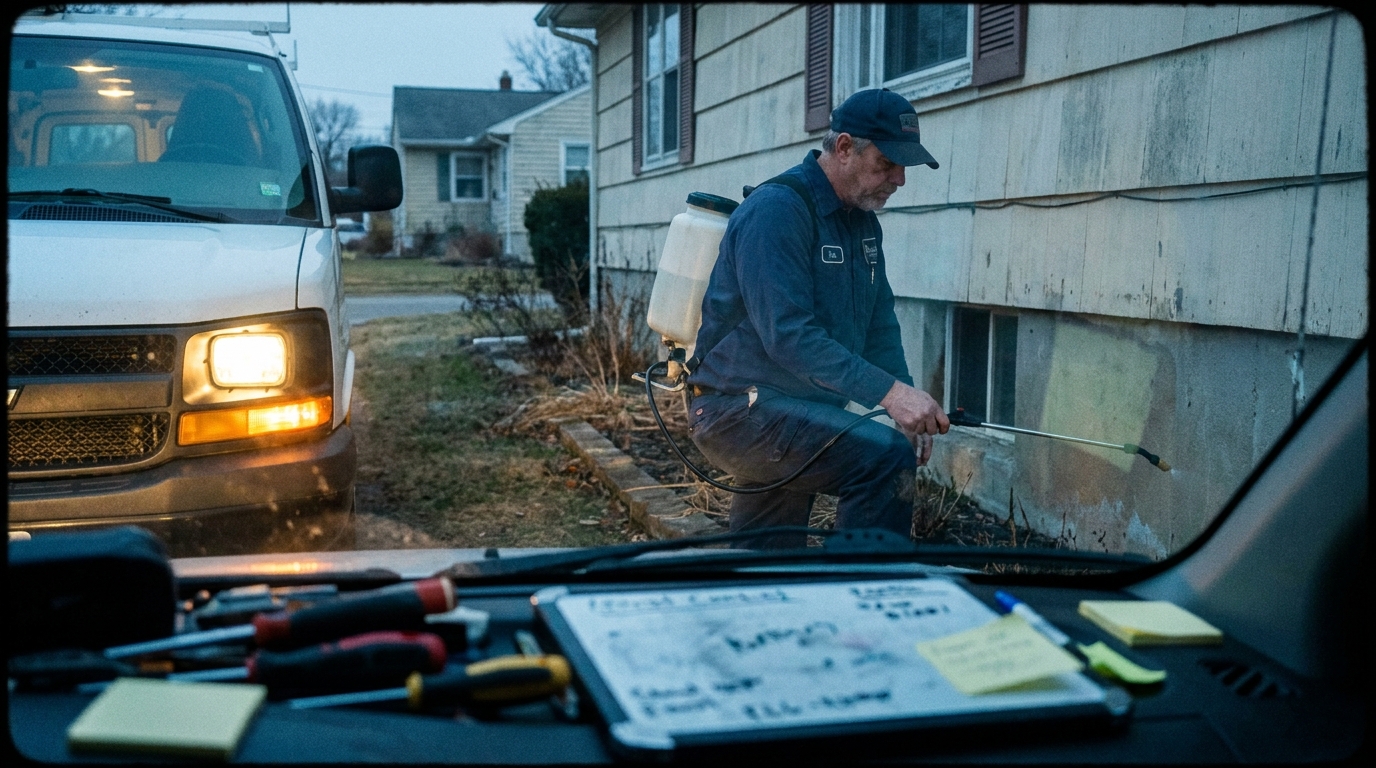

HVAC Scheduling: Why No-Heat Calls Break Your Dispatch Board (and How to Fix It)
No-heat calls expose the weak points in an HVAC dispatch board. Here is how constraint-based scheduling helps owners and dispatchers protect the day when emergency work arrives.
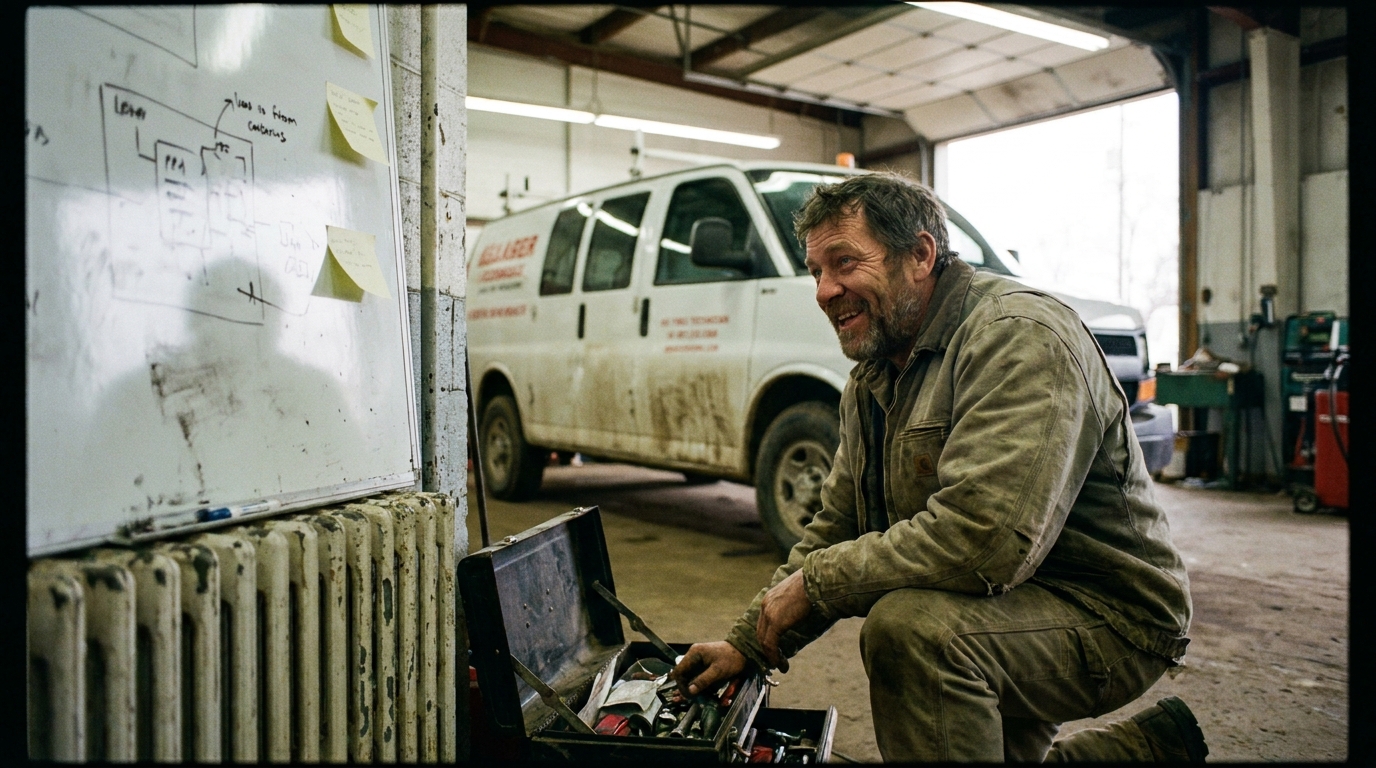
HVAC scheduling software gets tested hardest when the weather turns and the phone starts filling with no-heat calls. A normal dispatch board is built around booked jobs, promised windows, and a few assumptions about travel time. Emergency heating work breaks that rhythm. The call cannot wait, the right technician may already be across town, and the customer usually wants a clear answer before your dispatcher has one.
For HVAC owners and dispatchers, the issue is not just volume. It is matching urgency, certification, parts, geography, and existing commitments without turning the rest of the day into apology calls. The fix starts by treating dispatch as a constraint problem, not a calendar problem.
The pain, quantified
No-heat work creates a different kind of pressure than routine maintenance. A tune-up can often move. A cold-home call feels immediate, especially when the customer is already frustrated and the office is trying to protect promised arrival windows. This is where a simple HVAC dispatch board starts to show its limits: every new emergency forces the dispatcher to mentally re-price the whole day.
The useful way to quantify the pain is operational, not abstract. Count how many times a dispatcher has to move an existing job, call a technician for a status check, search notes for the right equipment skill, or reopen a route that looked settled an hour earlier. If your team tracks labor planning against references like the BLS Occupational Outlook Handbook, that context can help with staffing conversations, but the board-level problem is local: who can handle this call now without breaking the next three?
That is also why HVAC scheduling software for small business has to do more than hold appointments. Small teams often have fewer backup technicians, fewer spare trucks, and less room for dispatch drift. The pain is visible in callbacks, late arrivals, idle drive time, and the dispatcher keeping the real schedule in their head instead of in the system.
Why traditional dispatch fails here
Traditional dispatch fails because it treats the job as a slot before it treats it as a set of conditions. The board may show time, customer, technician, and status, but no-heat call dispatch depends on details that are easy to miss: certification, equipment familiarity, likely parts, distance from the current job, customer urgency, and whether the technician can still make the next promised window.
This is where many teams start comparing a ServiceTitan alternative or searching fieldedge vs servicetitan. The useful comparison is not which screen looks busier. It is whether the system helps the dispatcher make a better decision while the phone is still ringing. HVAC dispatch needs fast filtering, clear exception handling, and a way to test a move before committing it.
The common failure mode is a board that records what happened after a human solved the puzzle. The dispatcher drags a job, calls the technician, checks notes, warns the next customer, and only then does the software reflect the new plan. That is why searches for best HVAC scheduling software or HVAC scheduling software 2026 should start with the emergency workflow. If the system only works on a calm day, it is not solving the HVAC day that hurts.
The same problem shows up in seasonal surge. The board may look full, but the real constraint is not just time. It is who can diagnose heat loss, who is close enough to protect the route, who has the right parts context, and which customers can be moved without breaking trust.
The constraint-based fix
A constraint-based approach starts with the reality of the work. The dispatcher should be able to define the call by urgency, location, equipment type, skill need, estimated duration, parts risk, and customer promise. Then the system should narrow the board to feasible options instead of forcing the dispatcher to scan every technician manually.
In practice, that means the HVAC dispatch board becomes a decision surface. A no-heat call can be inserted only where the technician is qualified, the route still makes sense, and the downstream promises remain visible. If a move creates a risk, the dispatcher should see the tradeoff before the customer hears a new arrival window.
This is the difference between generic hvac business software and dispatch tooling that understands field operations. A generic calendar answers, "Where is there open time?" A better system answers, "Which qualified technician can take this, what breaks if they do, and what is the cleanest recovery plan?"
For owners evaluating an HVAC scheduling software alternative to ServiceTitan, this is the practical test. Ask whether the software can express your real constraints or only store your appointments. Industry market references such as IBISWorld may help frame the broader business category, but your buying decision should come back to the board: can it protect the day when the day changes?
What a better day looks like
A better day does not mean no emergencies. It means emergencies enter the schedule without turning every dispatcher decision into a rebuild. The phone rings. The customer describes a no-heat issue. The dispatcher opens the job, marks the call urgent, adds the equipment context, and sees the technicians who can actually take it.

From there, the software should make the consequences plain. One technician may be closest but carrying a tight promised window. Another may be farther away but certified for the equipment and finishing a nearby job. A third may be technically available but would create a parts problem. The dispatcher can compare options without relying on memory or interrupting the field team for every possibility.
The office still makes the judgment. Constraint-based scheduling does not remove the dispatcher; it gives the dispatcher a cleaner field of choices. That matters for HVAC scheduling software tips because the best process changes are usually small and repeatable: keep technician skills current, make job notes usable, treat urgency consistently, and review the exceptions that forced manual overrides.
If you use outside market dashboards such as Statista for planning discussions, keep them separate from the dispatch workflow. The board should be judged by whether it helps today’s team make today’s calls with fewer blind spots.
That calmer workflow also makes management easier after the rush. Instead of asking why a dispatcher made a move under pressure, the owner can review which constraint drove the choice. That gives the team a better way to tune rules before the next cold snap.
Getting started
Start with the no-heat workflow that already causes the most friction. Do not begin by replacing every operational habit at once. Pull a week of dispatch notes, identify the common emergency patterns, and write down the constraints your best dispatcher already uses instinctively: certification, location, parts risk, current job status, customer promise, and after-hours policy.
Then test your current system against that list. If you are searching how to improve HVAC scheduling software, this is the first question: can the board represent those constraints clearly enough for another dispatcher to make the same call? If the answer is no, the team will keep building side channels around the software.
Next, separate must-have dispatch needs from buying noise. HVAC scheduling software cost matters, but a cheaper tool that cannot handle emergency insertion may cost the office in rework. HVAC scheduling software examples matter too, but screenshots rarely show the messy middle of a surge day. Ask vendors to walk through a live no-heat scenario, not a perfect demo route.
Finally, clean up your search language. Queries like HVAC scheduling software software usually return generic pages; better searches name the workflow, trade, and dispatch pain directly. Look for software that can model how HVAC work really moves: urgent calls, qualified technicians, seasonal surge, and customers who need a clear answer while the board is still changing.
#HVAC#Trades#dispatch#FieldService#SkilledTrades#HomeServices#BlueCollar#FieldOps#SmallBusiness#scheduling#AI#automation#SaaS#B2B#Productivity