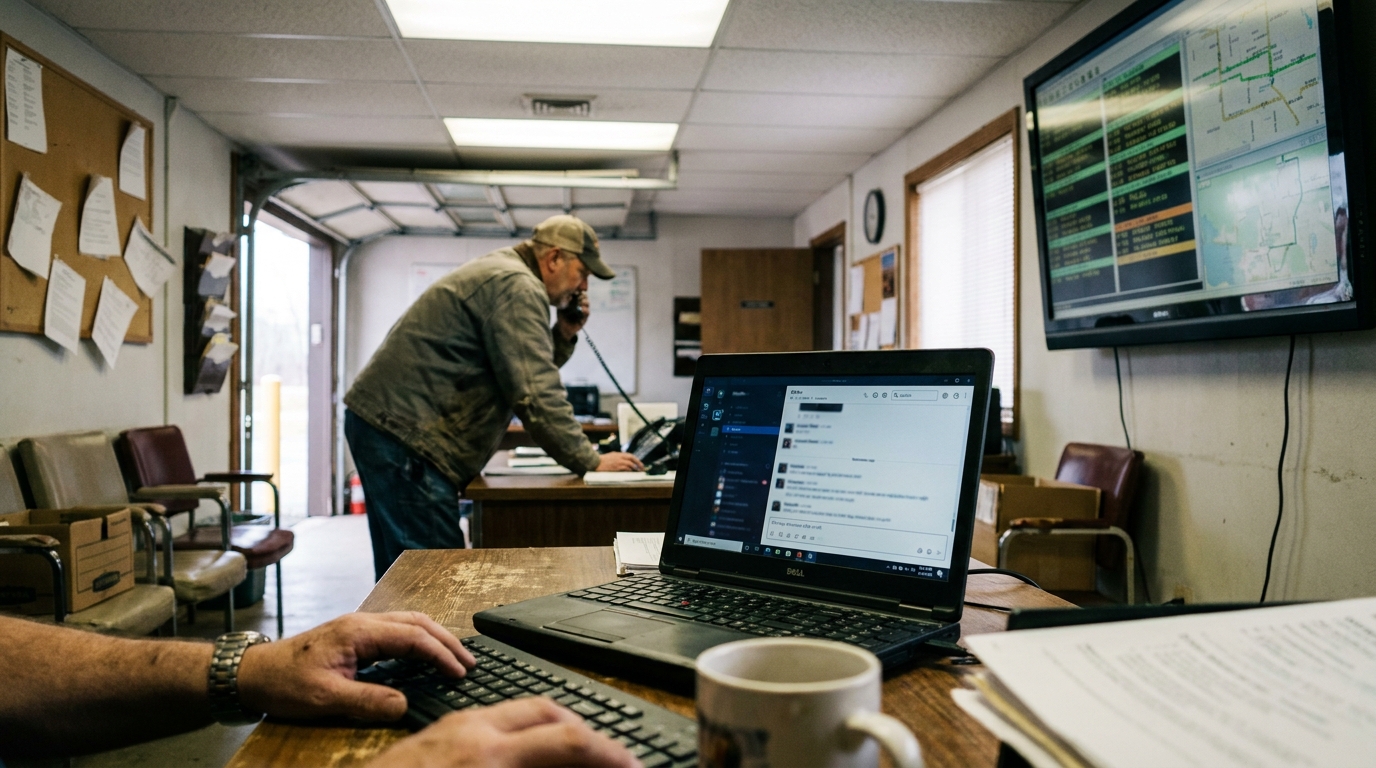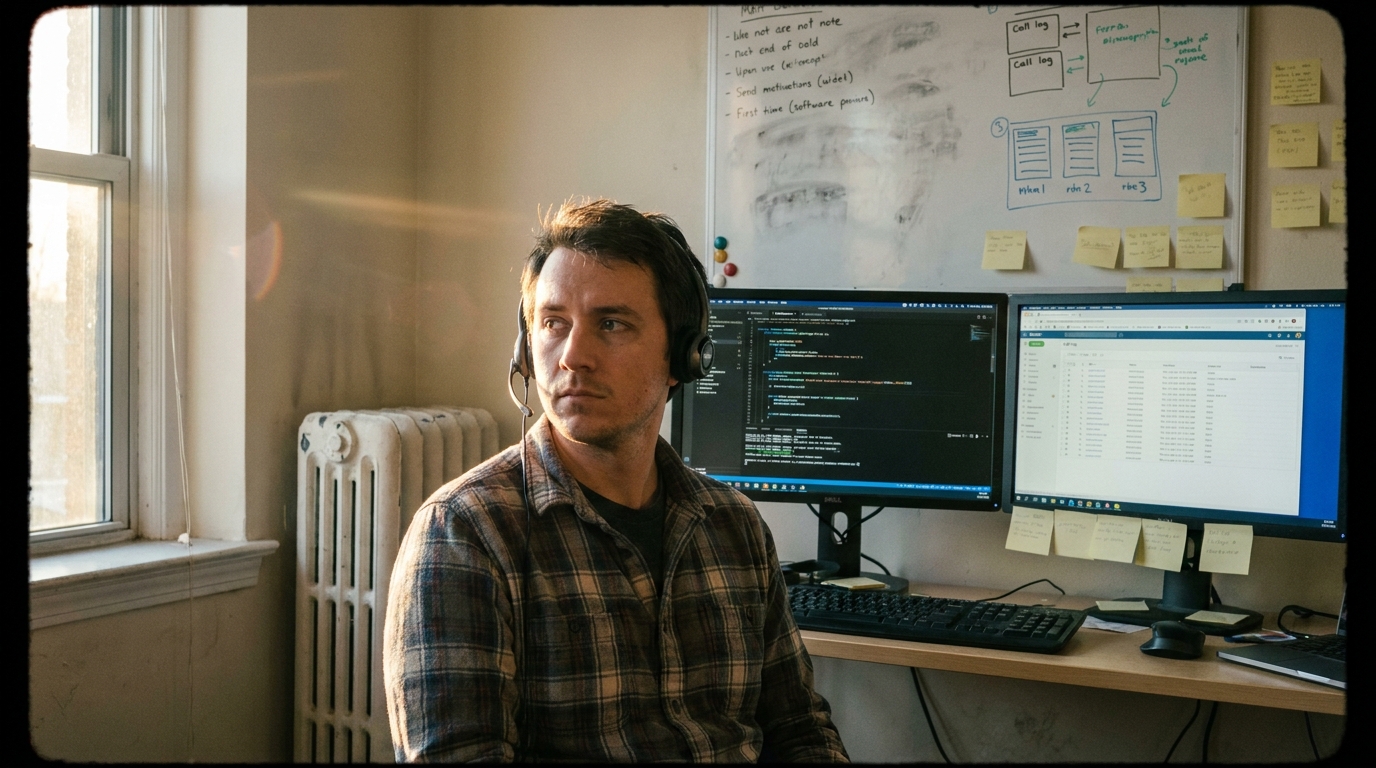

After-Hours Emergency Line: Retell + Crisphive Priority Insertion
Wire Retell to Crisphive so after-hours emergency calls become structured booking attempts, priority inserts, and clear dispatcher-ready records.

An after-hours emergency line is only useful when it can do more than answer the phone. For this build, the goal is an aggregate-stack tutorial: Retell handles the live call, Crisphive handles availability and real booking, and a priority insertion step makes emergency work land in the right place instead of becoming a loose note for the morning. The shape is simple: pick the voice layer, collect the keys, wire the booking handoff, guard the failure paths, test with transcripts, then ship with production checks.
The stack and why each piece
Start by separating the stack into jobs. The voice platform owns the conversation: greeting the caller, collecting the service type, listening for urgency, and keeping the call moving when the office is closed. Crisphive owns the field-service truth: live availability, the service area, job details, dispatch context, and the booking record that the office will trust later.
Retell is the voice layer in this walkthrough, so keep the call prompt narrow and operational. It should identify the caller, understand the problem, confirm the address or service area, and decide whether the request should become a booking attempt, a hold-for-office item, or an escalation. If you are comparing Vapi alternatives, keep that comparison at the architecture level: call control, tool calls, transcripts, and handoff behavior matter more than a generic feature grid.
The other references belong around the stack, not inside the caller's ear. Retell documentation is where you validate the voice-side build. Crisphive documentation is where you validate the booking-side contract. Bland AI documentation is useful as a second voice-agent mental model when you are designing the boundary between conversation and backend action. Twilio messaging documentation belongs in the confirmation layer if the brief calls for text follow-up.
Prerequisites and keys
Before the first test call, make the boring setup explicit. You need a Retell workspace, a Crisphive environment with booking access, credentials stored outside the prompt, and a number or call route that can reach the agent. This is also where an agency should decide which environment is safe for testing. A live dispatcher queue and a prototype voice prompt do not belong together until the handoff is predictable.
For a developer, the key checklist is short: voice provider credentials, Crisphive credentials, a callback or tool endpoint, logging that captures the call identifier, and a place to store transcript references. Treat the AI receptionist API as the integration surface, not the product. The product is the finished workflow: caller intent becomes a booking attempt, the booking attempt respects availability, and the office can see what happened without replaying the whole call.
This is also the right moment to write down the policy rules. What counts as emergency work? Which trades or services can be booked without a human? Which caller details are required before the agent touches availability? If someone asks for after-hours emergency line cost, the honest developer answer is that cost depends on the chosen stack and operating policy; this article is about the wiring pattern, not a price sheet.
Wiring the voice layer to Crisphive
The clean handoff is a tool call with a small payload. The agent should pass the caller's name, phone, service type, short problem description, location details, requested timing, and the urgency signal it heard. Crisphive should answer with the next booking decision the voice layer can safely say out loud: available slot, no slot, needs human review, outside service area, or missing information.

Keep the prompt from becoming the source of truth. The voice agent can ask questions and summarize intent, but Crisphive should decide whether the job can be inserted into the schedule. That is what makes this pattern different from a generic voice agent booking demo. The booking layer is not just collecting a lead; it is checking whether a real field-service operation can accept the work.
For priority insertion, pass urgency as a structured value and preserve the caller's words in a note. The structured value helps the scheduler sort and route the request. The note lets a human understand why the agent marked it that way. That balance matters for voice AI field service: the automation should be useful to dispatch without pretending it has a technician's judgment.
If you are building a voice agent booking API wrapper, keep the wrapper thin. Normalize the voice provider payload, call Crisphive, translate the result back into a caller-safe response, and log both sides. The less business logic you hide in the wrapper, the easier it is to debug a bad call later.
Handling edge cases (busy slots, holds, retries)
After-hours calls fail in familiar ways. The caller may describe the problem poorly. The first slot may disappear. A booking attempt may time out. The caller may ask to hold while they find an address. The voice layer needs clear paths for each case, because a vague apology is not enough when someone is calling outside office hours.
For busy slots, have Crisphive return the nearest safe alternative or a hold-for-office result. For holds, let the agent pause without losing the collected details. For retries, make the tool call idempotent enough that the same caller does not create duplicate work just because the voice provider tried again. Those are the practical after-hours emergency line tips that make the system feel reliable.
The comparison with Vapi alternatives and any other voice agent booking API should stay grounded in failure handling. Ask how each stack represents tool failures, how transcripts are stored, and how the voice layer recovers when the booking layer says no. The best after-hours emergency line for a small shop is not the one with the flashiest demo; it is the one that fails in a way the next morning's dispatcher can understand.
Use plain categories in the transcript: booked, not booked, needs office review, outside service area, caller abandoned, and tool error. Those labels make after-hours emergency line software easier to audit without reading every conversation from start to finish.
Test calls: transcript walkthrough
A useful test call should look ordinary. The caller gives a name, says the problem, answers a location question, hears the available option, and confirms or declines. Read the transcript as if you are the office manager opening it before the first coffee. Can you tell what happened? Can you trust the booking state? Can you see why the agent marked the job as urgent?

Run at least one happy path and several messy paths: unclear service type, missing address, caller changes their mind, no available slot, and tool timeout. Do not tune the prompt only against the clean call. The real value of an after-hours emergency line for small business is that it keeps enough structure when the caller is tired, stressed, or imprecise.
Good transcript notes are short. They should state the caller's request, the decision, and the next action. If you need after-hours emergency line examples for internal QA, keep them synthetic and scenario-based: burst pipe, no technician slot, caller outside service area, callback requested. The point is to test the workflow shape, not to create a library of dramatic calls.
For after-hours emergency line 2026 positioning, keep the claim modest: customers expect the line to answer, understand the request, and leave the business with a usable record. Anything more specific needs evidence from the business's own call logs.
Ship it: production checklist
Before launch, freeze the prompt, store the credentials properly, and write down who owns each failure path. The voice provider should own call handling and transcript capture. Crisphive should own availability and booking state. The agency or developer should own the integration wrapper, logs, and alerting. The business should own policy: what can be booked, what must be escalated, and what waits for office hours.
The launch checklist is practical: verify a live call can create or hold a booking, confirm that priority insertion is visible where dispatchers work, make sure failed tool calls do not sound like confirmed appointments, and check that transcript notes are readable. If SMS confirmation is part of the build, keep it tied to the booking result rather than sending a cheerful message for an uncertain outcome.
That is also how to improve after-hours emergency line performance without guessing. Review a small batch of transcripts, mark where callers got stuck, tighten the prompt, and adjust the booking policy. Do not start by adding more personality. Start by making the handoff cleaner.
A production after-hours emergency line should feel calm and useful: it answers, collects the right details, checks the real schedule, inserts priority work when the policy allows it, and leaves the morning team with a clear record. That is the build worth shipping.
#BuildInPublic#DevTools#AIAgents#API#MCP#FieldService#FieldOps#SmallBusiness#dispatch#scheduling#AI#automation#SaaS#B2B#Productivity