

The Pest Control Scheduling Software Buying Guide (2026 Edition)
A practical buying guide for pest control owners and ops leaders evaluating scheduling software, vendor questions, lock-in risks, and AI-native dispatch fit.
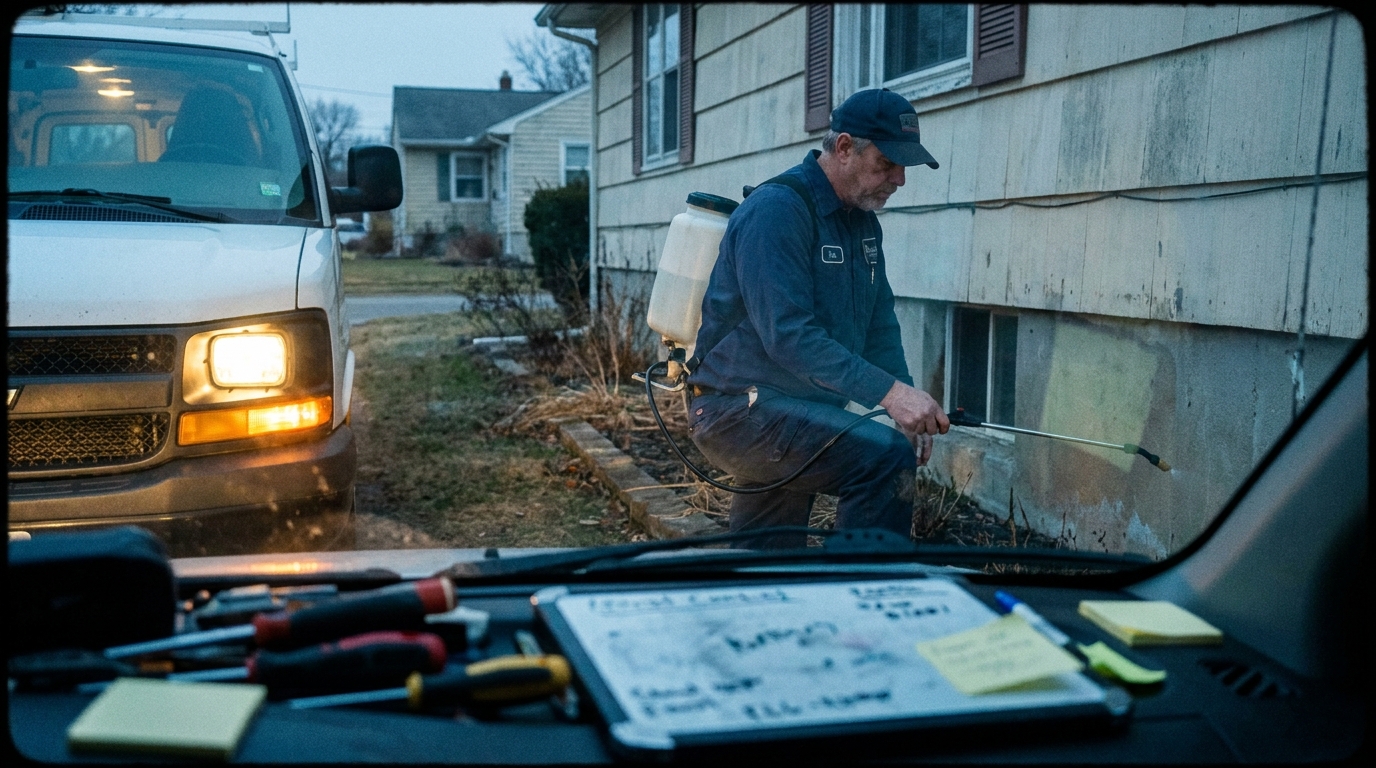
Pest control scheduling software is rarely just a calendar. For pest control owners and ops leaders, it becomes the place where route density, customer expectations, technician capacity, callbacks, and office handoffs either work together or grind against each other. This buying guide is built for that evaluation moment: what to require, what to question, where to watch for lock-in, and how AI-native scheduling should fit without turning the whole operation into an experiment.
What Pest Control teams actually need from scheduling software
A pest control team needs scheduling software that can keep the office, the technician, and the customer looking at the same version of the day. The calendar matters, but the real buying question is whether the system supports the way pest control work actually moves: recurring service, urgent callbacks, route changes, seasonal demand, multi-stop days, and technicians who need clear job context before they arrive.
Start with the operating model. A small branch may need fast booking, clean dispatch, and simple reminders. A larger multi-route team may need tighter permissions, territory logic, capacity planning, and reporting that can show where the schedule is leaking time. In both cases, the best pest control software should reduce manual coordination, not just digitize it.
Use industry resources as context, not as a replacement for your own workflow map. The NPMA is useful for understanding the professional environment around pest management, while PCT Online can help operators keep an eye on the broader market conversation. Your buying process should still begin with the dispatch desk: where jobs get stuck, what technicians ask twice, which customer calls cause the schedule to be rebuilt by hand, and how to improve pest control scheduling software without turning it into generic pest control business software.
Must-have vs nice-to-have features
The must-haves are the features that protect the day. A pest control scheduling software for small business should still handle appointment booking, technician assignment, route visibility, customer reminders, job notes, rescheduling, and a mobile view that is clear enough to use between stops. Pest control dispatch should not depend on someone remembering a side conversation or checking three tabs before moving a job.
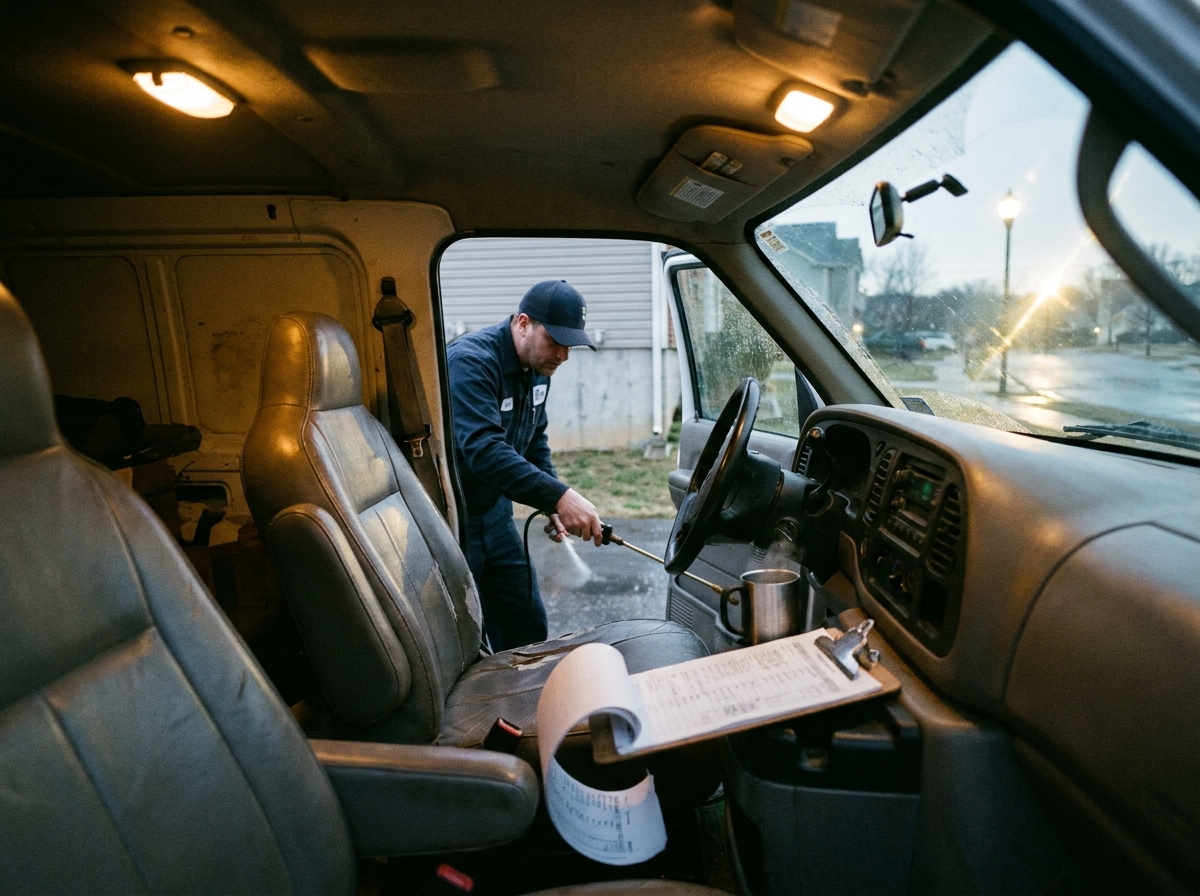
For larger teams, must-have can also mean service history, recurring account support, crew or technician skills, drag-and-drop route adjustment, and a practical way to see unassigned or at-risk work. If a platform makes simple schedule changes feel like database administration, that is not a training issue; it is a fit issue.
Nice-to-have features are useful when the basics are already strong. Examples include advanced dashboards, deeper marketing links, custom automation libraries, and specialized reporting. They can matter, but they should not distract from core scheduling quality. A pest control dispatch software comparison should separate features that keep jobs moving from features that mainly look good in a demo.
One caution: do not let awkward keyword matching drive the evaluation. A search result may say pest control scheduling software software, but your checklist should say something plainer: does this product help the office build a realistic day and help the technician execute it?
Questions to ask every vendor
Ask vendors to show the ordinary day, not only the perfect day. How does the product handle a technician calling out? What happens when a customer asks to move a recurring service? Can dispatch see which jobs are likely to make the afternoon run late? How many clicks does it take to reassign a job, notify the customer, and preserve the job notes?
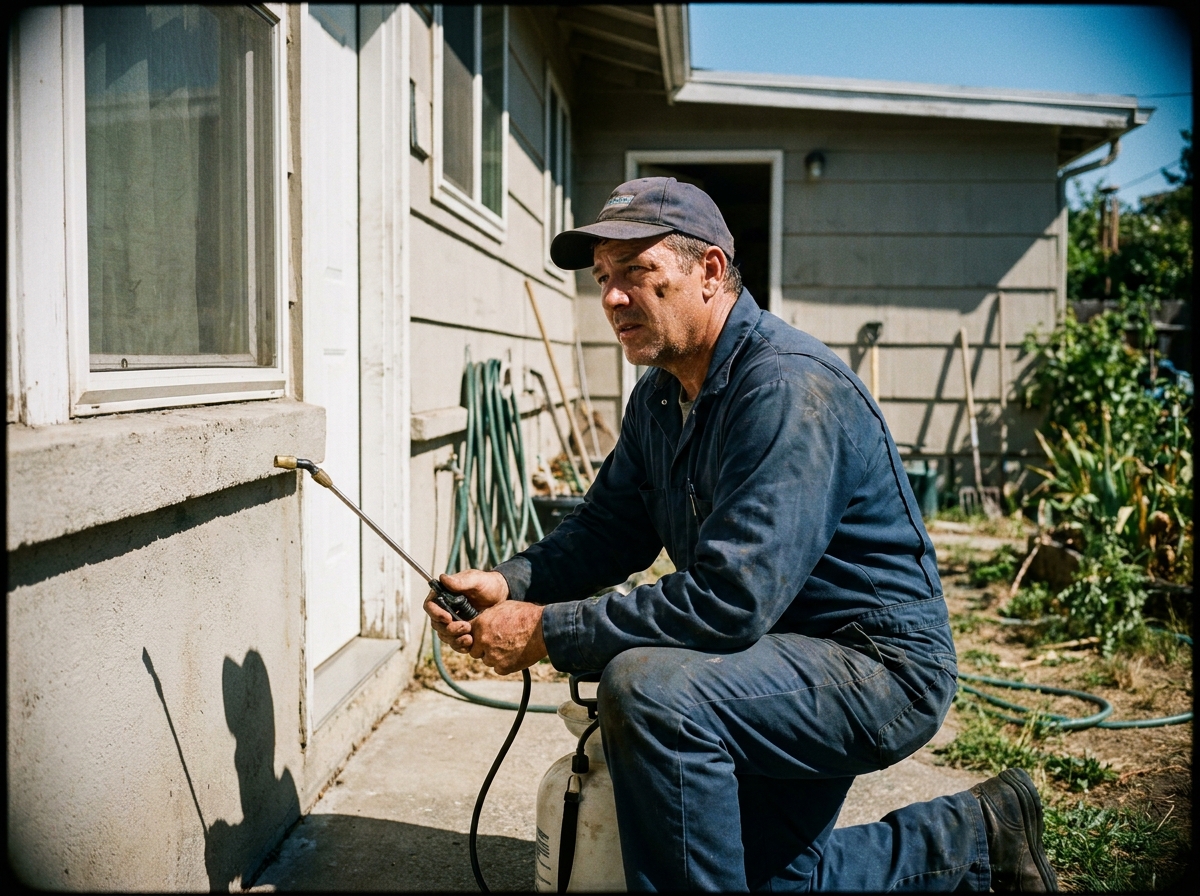
Ask what is configurable by an operations manager and what requires vendor support. A scheduling system that can only be tuned through tickets may slow you down as your routes change. Ask how imports work, how exports work, and what data you can take with you if you leave. That matters whether you are comparing a FieldRoutes alternative, asking about pestpac vs fieldroutes, or evaluating a newer pest control scheduling software alternative to FieldRoutes.
Ask about training, onboarding, and the first thirty days of use. The product may be powerful, but if dispatchers cannot trust it quickly, they will keep a shadow process in spreadsheets, text threads, or paper notes. You can also keep role research separate from product claims by reviewing neutral occupational references such as the BLS Occupational Outlook Handbook when you need general job-context language for internal planning.
Red flags and lock-in traps
The clearest red flag is a vendor that cannot explain how your exact scheduling workflow would run in the product. Another is a demo that depends on clean sample data and never shows exceptions. Pest control scheduling software examples should include messy situations: same-day reschedules, technician absence, an overbooked route, incomplete customer notes, and a callback that needs priority without wrecking the rest of the day.
Watch for lock-in around contracts, data, and integrations. If you cannot export the records you rely on, if integrations require expensive custom work before the product is useful, or if the vendor discourages basic questions about leaving, slow down. A cheap subscription can become costly when the team has to rebuild operational history later.
Cost also deserves a careful, plain-language review. Pest control scheduling software cost is not only the monthly line item. It includes migration effort, training time, changed office routines, mobile adoption, and the risk of running two systems while the team learns the new one. Avoid treating a lower sticker price as the best answer if it pushes work back onto dispatch.
Where AI scheduling fits in a modern Pest Control stack
AI scheduling belongs where it improves a human decision, not where it hides one. In a modern pest control stack, AI can help surface conflicts, suggest better route options, flag jobs that may need attention, and reduce the repetitive coordination that keeps dispatchers from solving exceptions. That is different from letting the system make every decision without context.
The useful question is not whether a vendor says AI. It is how the AI changes the dispatch workflow. Does it show why a recommendation was made? Can a manager override it? Does it respect technician skills, territories, customer preferences, and promised windows? Does it make pest control scheduling software tips visible at the moment a dispatcher is making the decision?
Crisphive fits this part of the conversation as an AI-native scheduling and dispatch platform: the point is to make daily planning more responsive without asking the business to abandon operational judgment. For teams comparing the best pest control scheduling software 2026 options, AI should be evaluated as part of scheduling quality, not as a separate novelty feature. Market data tools such as Statista may help frame wider software research, but the buying decision still comes down to whether the system improves your routes, handoffs, and customer follow-through.
Decision checklist
Use the final decision meeting to compare fit, not just features. The best pest control scheduling software for one branch may be the wrong choice for another if it assumes a different team size, service mix, or dispatch rhythm. Bring dispatch, field leadership, and at least one technician into the review before signing.
Workflow fit: Can the system handle your normal day and your messy day?
Dispatch clarity: Can the office see assignments, route pressure, and exceptions without hunting?
Field usability: Can technicians understand the job, the timing, and the next step from mobile?
Data control: Can you import, export, and audit the records your operation depends on?
Vendor honesty: Did the demo show tradeoffs, limits, and implementation work clearly?
AI value: Do automated suggestions make scheduling decisions easier to understand and act on?
If a product passes those checks, it deserves a pilot. If it fails them, keep looking, even if the demo was polished. The right scheduling platform should make the day easier to run before it makes the dashboard prettier to present.
#PestControl#BuyingGuide#Software#FieldService#Trades#SkilledTrades#HomeServices#BlueCollar#FieldOps#SmallBusiness#dispatch#scheduling#AI#automation#SaaS#B2B#Productivity