
Built for home healthcare agencies
Deterministic scheduling for home healthcare, embedded in the software your clinicians already use.
Crisphive sits behind your existing EVV platform, agency management system, or AI assistant. When a nurse calls in sick at 6:30 or a hospital discharge lands mid-shift, it re-cascades wound care, infusion visits and personal-care shifts across credentialed, nearby clinicians in under 3 seconds — without missing an authorized visit window, and without anyone learning a new tool.
- cascade re-schedule on a call-in
- < 3 s
- MCP tools for Claude & ChatGPT
- 43
- new screens for dispatchers
- 0
Every job inside its window
The day Crisphive protects
The route
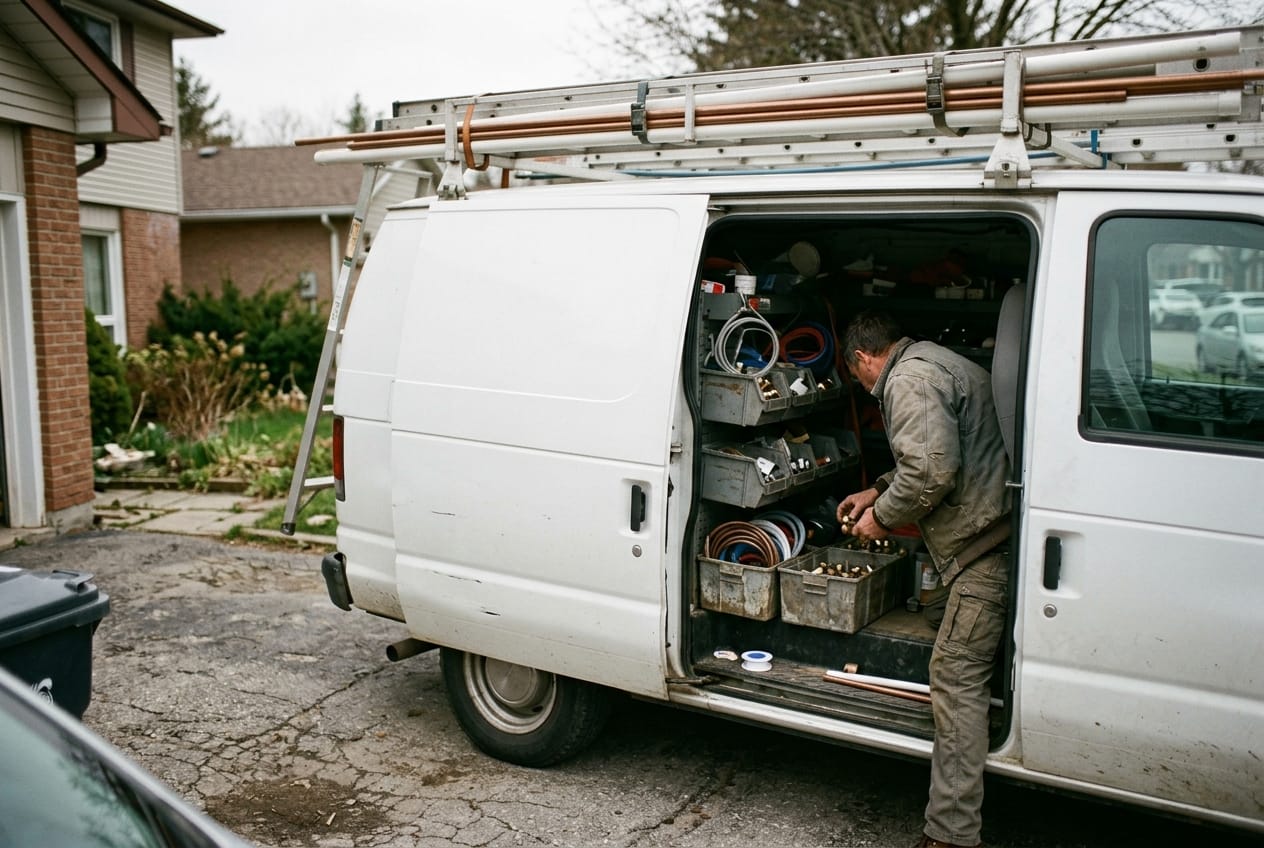
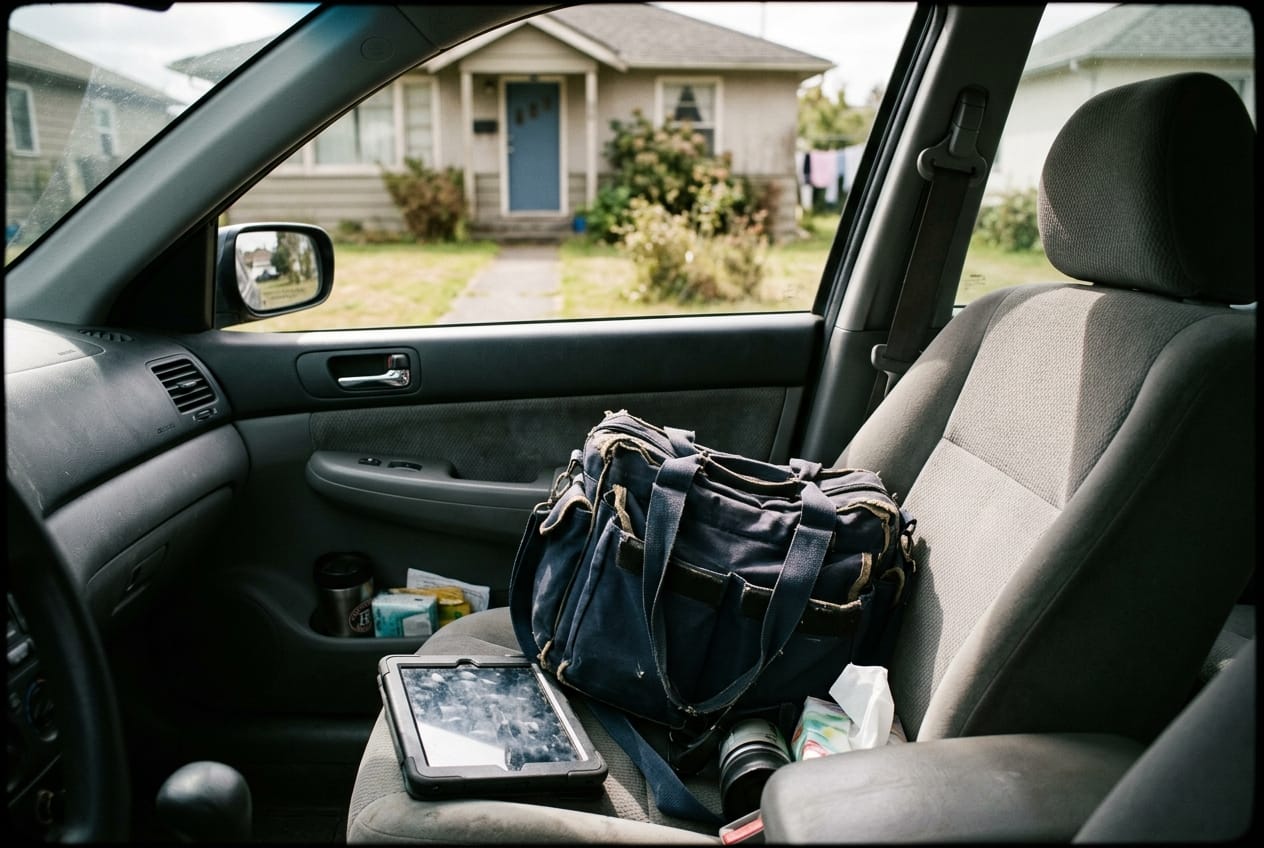
6–10 visits a day per clinician across a county. One absent nurse is a day of missed care — and missed authorized units.
The visit window
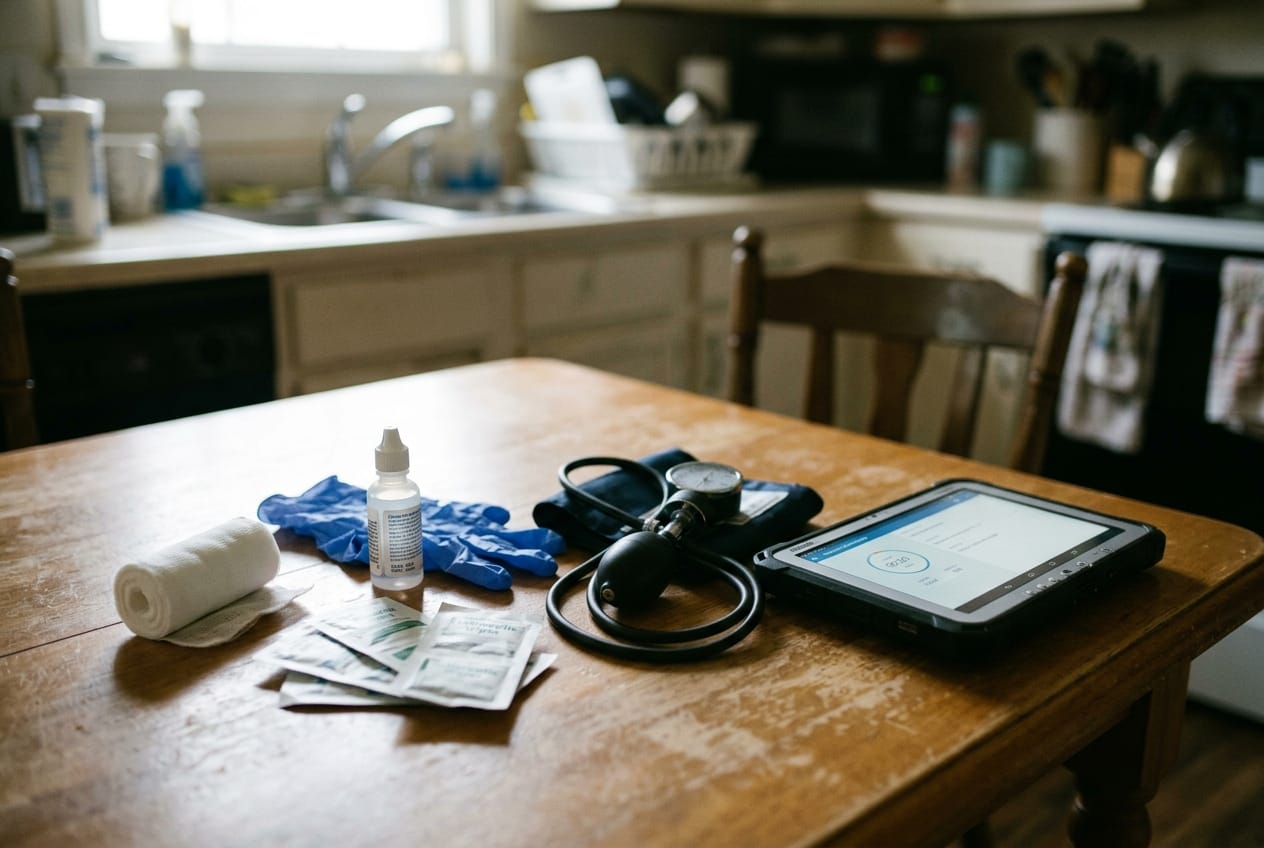
Payer authorizations, medication times and EVV check-ins define when a visit counts. Outside the window it isn't billable.

The credential
RN vs LPN vs aide, plus continuity-of-care and patient preference. The solver treats scope of practice as a hard constraint, not a note.
The problem is statistical, not occasional· Nearest published benchmark shown as a proxy
Every week, roughly 1 in 30 of your field crew won't show up as scheduled.
Closest published benchmark for field staff: 3.2% of U.S. full-time workers miss part of any given week and 1.7% of scheduled hours are lost — illness and injury, not vacations. Clinical field roles carry the same exposure plus the risk of exposure-related absence.
- 3.2%
- of U.S. full-time workers absent in any given week (2025), up from 3.1% in 2023
- BLS, CPS Table 47
- 4+ days
- lost per full-time employee per year — 1.7% of scheduled hours, before vacation and holidays
- BLS, CPS Table 47
- US$3,600
- cost of unscheduled absence per hourly worker per year — about US$36K for a 10-tech crew
- Circadian
- US$150–300
- direct disruption from a single field-tech no-show, before any missed-appointment revenue
- U.S. field-ops stat sheet
Weekly absence by field segment
% of full-time workers who worked under 35 h in the reference week for illness, injury or personal reasons · all-worker benchmark 3.2%
- Installation, maintenance & repair3.2%
- Last-mile delivery & transport3.4%
- Facilities / grounds maintenance3.4%
- Production / plant3.4%
- Skilled trades / construction2.7%
- Construction industry overall2.3%
U.S. Bureau of Labor Statistics, Current Population Survey Table 47, 2025 annual averages (11-month average, excluding Oct 2025). Construction reads low partly because unpaid hourly absences go unrecorded.
Planning rule of thumb
1 absent tech per 30, every week
At a 2.7–3.4% weekly absence rate and 1.5–1.9% of hours lost, plan for about one absent technician per 30 in any week and 4–5 lost days per technician per year. The CDC puts absenteeism-linked productivity losses at US$225.8B a year — US$1,685 per employee.
In a home health agency each no-show is a manual re-plan: schedulers phone around, credentials get guessed, an infusion slips outside its window, authorized units go unbilled, and the patient's family finds out last. That's the work Crisphive removes — inside the tools you already run.
Sources: BLS CPS Table 47 (2025 annual averages); CDC Foundation, "Worker Illness and Injury Costs U.S. Employers $225.8 Billion Annually"; Circadian, "Absenteeism: The Bottom-Line Killer"; Integrated Benefits Institute ($530B total illness-related lost productivity).
Three ways in — Copier le lien vers cette sectionLien copié
Pick the surface. The same deterministic solver answers behind all three.
Call the solver from your own backend.
Your dispatch system already owns jobs, techs and contracts. Send Crisphive the delta — "tech 04 is out" or "new urgent stop" — and get back a complete, SLA-valid plan to write wherever you keep schedules. Idempotent, deterministic, versioned.
- Event in, plan out. One call returns reassignments, new start times and a plain-language reason per move.
- Webhooks for drift. Traffic, overruns and no-shows trigger re-solves you can accept automatically or review.
- Nothing to host. Constraints and territories live in your tenant; we never see customer data you don't send.
FitsExisting FSM platformsIn-house dispatch toolsVoice agents (Twilio, Vapi, Retell)
POST https://api.crisphive.com/v1/solve
{
  "schedule": "2026-10-06/portland-metro",
  "event": { "type": "tech.unavailable",
             "tech": "T-04", "from": "06:30" },
  "constraints": ["certifications",
                  "sla_windows", "drive_time",
                  "daily_capacity"]
}

200 OK  · solved_in: 2.41s · sla_breaches: 0
{ "moves": [
  { "job": "ACME-7781", "to": "T-07",
    "start": "11:30", "shift_min": 240,
    "why": "nearest certified tech
            with window slack" },
  … 3 more ] }
Home care, modelled properly — Copier le lien vers cette sectionLien copié
Every service type carries its own credential, duration and window. The solver knows the difference.

Skilled nursing visit
Assessments, wound care, med reconciliation. RN or LPN by plan of care, with a frequency the payer authorized.
- Credential
- RN / LPN
- Duration
- 45–60 min
- Window
- Authorized window

Home infusion
Timed to the drug schedule and pharmacy delivery. Cannot slide without clinical sign-off.
- Credential
- RN · infusion certified
- Duration
- 60–120 min
- Window
- Fixed time

Start of care / discharge
Hospital discharges arrive with 24–48 h to first visit. The emergency insert of home health.
- Credential
- RN · OASIS
- Duration
- 90–120 min
- Window
- ≤ 48 h

PT / OT visit
Separate credential, separate route, often sequenced after nursing on the same day.
- Credential
- PT / OT licence
- Duration
- 45 min
- Window
- ± 1 day

Personal care shift
Aide shifts with fixed start times, continuity preference and EVV clock-in. The volume of the week.
- Credential
- HHA / CNA
- Duration
- 2–4 h
- Window
- Shift start

Hospice / on-call
After-hours symptom visits with a tight response commitment and a named on-call nurse.
- Credential
- RN · hospice
- Duration
- Variable
- Window
- ≤ 1 h response
What happens in those 3 seconds — Copier le lien vers cette sectionLien copié
Deterministic means the same inputs always give the same plan — auditable, explainable, no surprises at 6:30 AM.
- 010.0 s
Event arrives
A call-in, an overrun, an urgent hospital discharge — from your app, a webhook, a voice agent, or a sentence typed to Claude.
- 020.1 s
Constraints load
Certifications, SLA contract windows, live drive-time matrix, remaining daily capacity and territory rules for the affected day.
- 03< 3 s
Deterministic cascade
The engine re-sequences the whole connected day, not just the broken slot, and returns one reproducible plan with a reason per move — zero SLA breaches or it says so.
- 04you decide
Preview, approve, write back
Humans see every move before it lands. On approve, your system of record is updated and technicians and customers are notified.
Hard constraints the solver carries
- Credential & scope RN / LPN / HHA / PT, specialty certs
- Authorized windows payer units, EVV check-in
- Drive time live traffic matrix
- Capacity visits, hours, documentation time
- Continuity patient preference and prior assignment
What it's worth to your operation — Copier le lien vers cette sectionLien copié
Size the absenteeism tax on your own clinical field staff.
Your assumption, not a benchmark — depends on cert coverage and territory density.
- Techs out in a typical week
- 1.3
- 3.2% weekly absence rate
- Tech-days lost per year
- 172
- 4.3 days per tech, illness & personal only
- Jobs on absent routes / yr
- 1 204
- 7 jobs × lost tech-days
- Unscheduled-absence cost / yr
- US$144K
- Circadian: about US$3,600 per hourly worker per year
Revenue kept on the calendar per year
US$143K
1 204 jobs a year sit on an absent tech's route. At 85% same-day recovery, Crisphive re-sequences 1 023 of them onto certified colleagues instead of a callback queue — plus 129 dispatcher hours not spent phoning around.
Illustrative. Lost tech-days and weekly rates are U.S. benchmarks from the sources above; dispatcher time assumes 45 min of manual re-planning per absent tech-day; recovery rate and ticket size are your inputs. Excludes overtime, backfill and SLA penalties.
Shipping it — Copier le lien vers cette sectionLien copié
Runs in shadow mode next to your current planner until you trust it.
Crisphive reads your jobs, techs, certifications and SLA contracts through the connector you choose, proposes plans beside the ones your team makes by hand, and only writes back once you flip it live. Your system of record stays the system of record.
- 1
Connect days
Point a connector at your jobs, techs, certs and contracts. Read-only.
- 2
Shadow mode weeks
Crisphive proposes a plan for every real disruption beside the one your dispatchers make by hand. Compare SLA breaches, drive time and wrench time.
- 3
Go live your call
Flip write scope on for the surfaces you chose — API, embedded components, MCP, or all three.
More embedded use cases